

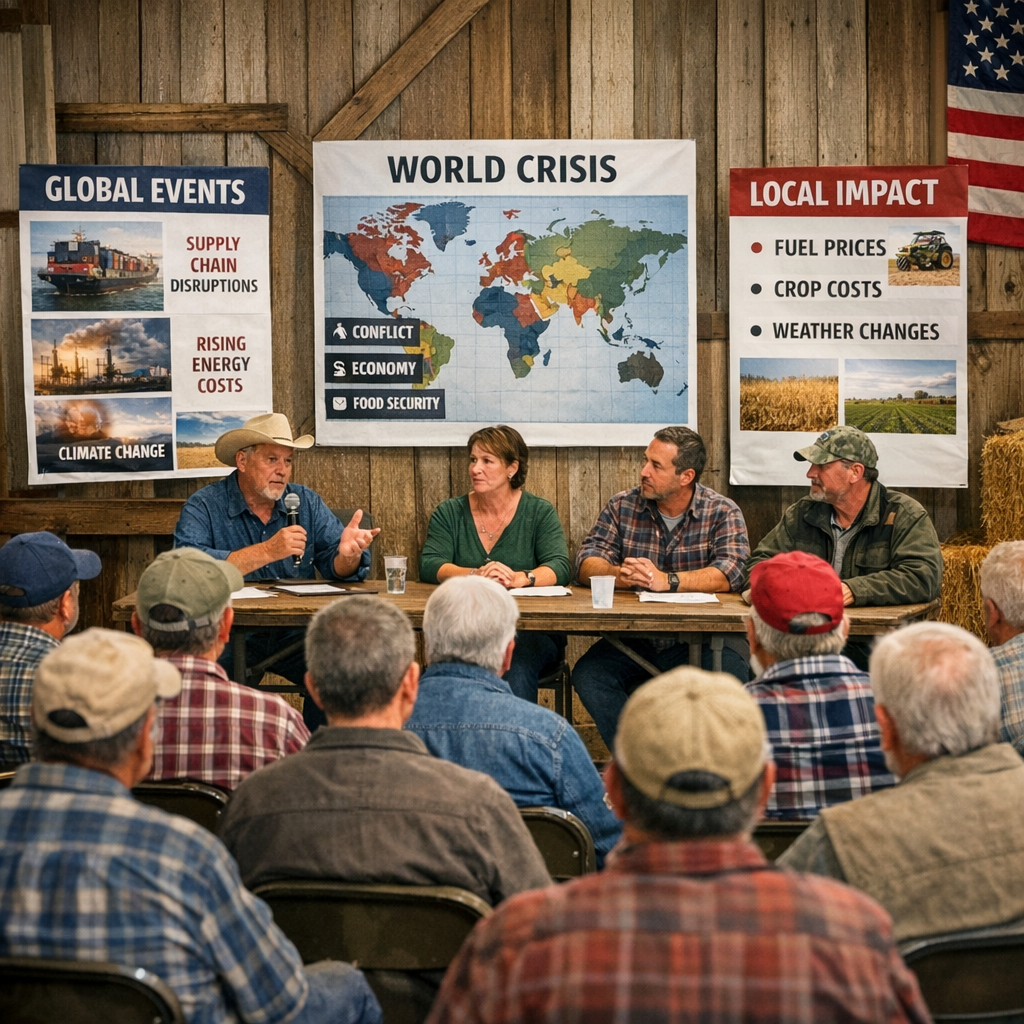
In our interconnected world, events unfolding thousands of miles away can have profound effects on local communities, including rural towns like Meeker, Colorado. Understanding these global-local connections is essential for fostering resilience and adaptability.
Economic Shifts and Rural Economies
Global economic trends, such as fluctuations in commodity prices and international trade policies, directly impact rural economies. For instance, changes in global demand for agricultural products can affect local farmers’ incomes and market stability. Additionally, international trade agreements or disputes may influence the availability and cost of farming equipment and supplies.
Climate Change and Environmental Challenges
Climate change is a global phenomenon with local consequences. Rural areas often rely heavily on natural resources, making them particularly vulnerable to environmental shifts. Increased frequency of extreme weather events, such as droughts and wildfires, can disrupt agriculture, water supply, and overall community well-being. Building climate-resilient infrastructure and adopting sustainable practices are crucial steps for rural communities to mitigate these impacts.
Health Crises and Public Health Preparedness
Global health crises, like pandemics, highlight the importance of robust public health systems. Rural communities may face challenges such as limited healthcare facilities and workforce shortages, making it imperative to develop strategic responses and strengthen healthcare infrastructure to ensure community health and safety.
Technological Advancements and Connectivity
Advancements in technology and the global push for digital connectivity present both opportunities and challenges for rural areas. While improved internet access can enhance education, healthcare, and economic development, disparities in digital infrastructure can exacerbate existing inequalities. Investing in broadband expansion and digital literacy programs is essential for rural communities to fully participate in the global digital economy.
Building Resilience Through Community Engagement
To navigate the complexities of global influences, rural communities like Meeker can benefit from proactive community engagement. Establishing local coalitions, participating in regional planning, and fostering partnerships with governmental and non-governmental organizations can enhance resilience. By staying informed about global trends and implementing adaptive strategies, rural areas can not only withstand external shocks but also thrive in an ever-changing world.
Understanding the interplay between global events and local realities empowers communities to make informed decisions, ensuring a sustainable and prosperous future for all residents.