

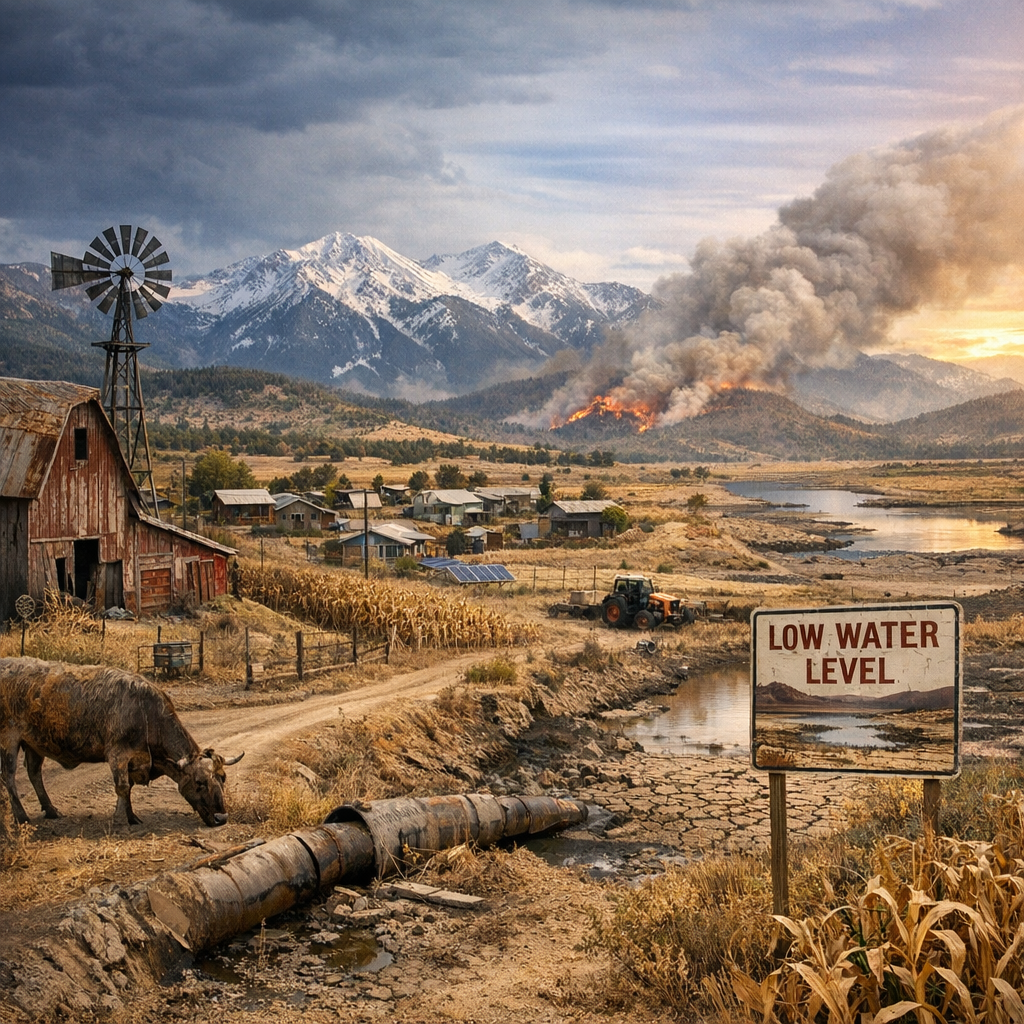
In our interconnected world, global events such as climate change and pandemics have far-reaching effects that extend into rural communities like Meeker, Colorado. Understanding these impacts is crucial for developing strategies to enhance resilience and sustainability.
Climate Change and Rural Economies
Climate change poses significant challenges to rural economies, which often rely heavily on natural resources. In Meeker, sectors like agriculture, forestry, and tourism are particularly vulnerable. Changes in temperature and precipitation patterns can disrupt crop yields, affect livestock health, and alter the natural landscapes that attract tourists. The National Climate Assessment highlights that rural communities are highly dependent on natural resources and face particular obstacles in responding to climate change, increasing their vulnerability to its impacts. [Source: National Climate Assessment]
Pandemics and Public Health
The COVID-19 pandemic underscored the vulnerabilities of rural healthcare systems. Limited medical facilities, fewer healthcare professionals, and greater distances to care centers can exacerbate the impact of health crises. Additionally, rural economies often depend on industries that were severely affected by the pandemic, such as agriculture and small businesses, leading to economic hardships. A rapid assessment by the ECLT Foundation found that COVID-19 adversely affected food security in many agricultural communities due to decreased incomes and increased inflation. [Source: ECLT Foundation]
Building Resilience in Rural Communities
To mitigate the effects of global events, rural communities can adopt several strategies:
- Economic Diversification: Reducing reliance on a single industry by promoting diverse economic activities can buffer against sector-specific downturns.
- Infrastructure Investment: Enhancing healthcare facilities, transportation networks, and communication systems can improve response capabilities during crises.
- Community Engagement: Fostering strong social networks and local organizations can facilitate coordinated responses and resource sharing.
- Education and Training: Providing education on sustainable practices and disaster preparedness can empower residents to take proactive measures.
By acknowledging the interconnectedness of global events and local realities, communities like Meeker can develop comprehensive plans to navigate challenges and seize opportunities in an ever-changing world.