

As global events unfold, international decisions echo far beyond distant capitals—they touch our lives in Meeker in subtle and significant ways. Here’s a look at what’s happening now on the world stage, why it matters, and how connected we are.
Climate Action Moving From Promise to Practice
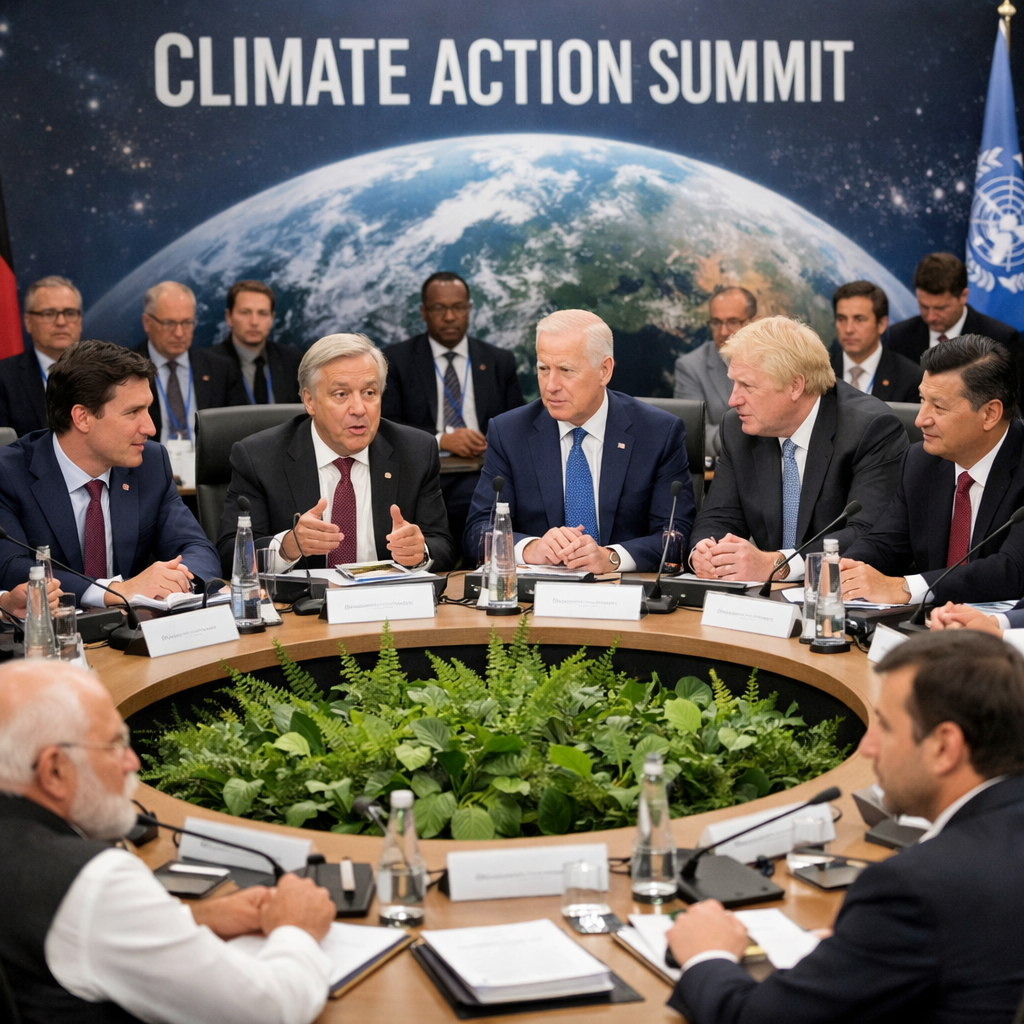
After years of setting goals, the global climate conversation is shifting toward action. Organizations grouped under the United Nations climate framework have launched a “Global Climate Action Agenda,” a five-year plan focused not on new promises, but on realizing existing ones—things like clean air, safer water, stable food supplies, and renewable energy. Key sectors include energy, food systems, nature, cities, and human –‐ development.
Still, a gap remains between ambition and reality. While many countries have announced emissions targets and policies, very few are on track to limit warming to the levels scientists say are necessary to avoid severe climate impacts.
Humanitarian Needs on the Rise
Meanwhile, humanitarian crises around the world are growing in scale and complexity. Conflict, extreme weather, and disease combine to leave hundreds of millions needing urgent aid. The UN estimates nearly 300 million people required humanitarian assistance in recent assessments.
Many of the hardest-hit places are also the least able to respond—countries in the Horn of Africa, the Middle East, and elsewhere face food shortages, population displacement, and failing infrastructure. Even as donations and relief efforts increase, they often fall short of what’s needed.
Trade, Finance, and the Path Forward
Financial instruments are being reimagined: climate finance, trade policy, and international investment are increasingly seen as essential tools to enable climate progress. After COP30, agreements were made to advance adaptation budgets, improve climate finance delivery, and help developing countries access technology and capital to reduce emissions and adapt to change.
The push is toward equitable cooperation—ensuring that countries with fewer resources aren’t left behind. It’s a growing recognition that climate policy can’t succeed unless its benefits reach people everywhere, not just in major cities or wealthy nations.
Why It Matters in Meeker
Though Meeker doesn’t sit in tropical storm zones or conflict-zones, we feel these global forces in ways many don’t often notice:
- Weather extremes: hotter summers, unpredictable snowfall, drought—all tied to shifting climate patterns.
- Agriculture and recreation: changes in snowpack, river flows, and growing seasons affect ranchers, farmers, outdoor enthusiasts.
- Global markets and energy costs: rising demand for renewable technologies, but also the need for mineral supplies and stable energy supply chains.
- Moral connection: understanding global humanitarian needs—refugees, food insecurity—shapes how communities respond, individually and through nonprofits.
What Comes Next: Practical Steps for Global Progress
Here are some signs to watch and ways you can support broader goals from your own corner of Colorado:
- Support local and regional climate initiatives: renewables, conservation, watershed protection—every bit adds up.
- Track where humanitarian aid is falling short—ask local nonprofits if they partner with organizations helping overseas crises.
- Stay informed about trade and policy shifts—tariffs, subsidies, clean energy regulations—they can influence what we grow, buy, and use.
- Engage with elected leaders, nonprofits, schools—advocate for climate justice and global cooperation as local values.
Global challenges may feel distant, but they’re woven into the fabric of everyday life—through weather, economy, health, and hope. Understanding what’s going on in the world sharpens our view of what needs doing next—in Meeker and everywhere.
By Emily Martinez